Finding an auto glass shop you can trust is a bit like choosing a surgeon. You want steady hands, reliable parts, and a team that tells you the truth even when it costs them an easy sale. Over the years I’ve worked with drivers, fleets, and dealership service managers around the Midlands, and one thing stands out: the right shop makes a crack or full windshield replacement feel routine, not stressful. If you’re hunting for an Auto Glass Shop Near Columbia, the smartest move is to read reviews with a mechanic’s eye, ask a few pointed questions, and trust your gut when a shop’s process sounds dialed in.
This is the kind of guide I wish people had before calling the first number that pops up online. It’s grounded in hands-on experience, with the small details that separate a careful install from a sketchy one. You’ll see what to look for in Columbia auto glass shop reviews, the red flags that send me elsewhere, and the realities of modern windshield replacement in Columbia that many folks don’t realize until they’re stuck with warnings on the dash and an inspection issue.
The stakes are higher than a simple pane of glass
Windshields aren’t just transparent walls anymore. On most late-model vehicles, the windshield anchors the roof, stiffens the chassis, and houses sensors for driver assist systems. That thin triangle near the rearview mirror? It often hides a forward-facing camera that feeds lane keeping, adaptive cruise, and emergency braking. Replace the glass wrong, use the wrong adhesive, or skip calibration, and the safety systems either stop working or, worse, work unpredictably.
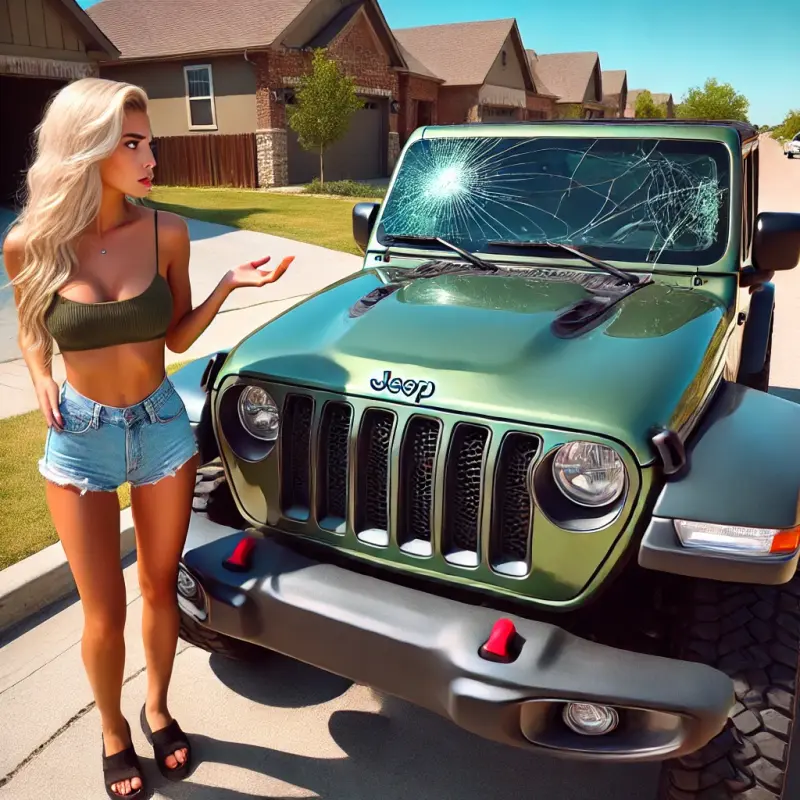
I’ve seen drivers ignore a spreading crack through the spring pollen wave, then get surprised when the crack creeps into the driver’s field right before a holiday drive. Two days later they’re searching for an emergency windshield replacement in Columbia and trying to decode insurance coverage on the fly. It’s avoidable if you know where to look and how to vet a shop.
What real reviews reveal if you know how to read them
Online ratings are cluttered with generic praise. The gold is in the specifics. Scan for reviews that mention particular vehicles, timelines, and problem solving. When a reviewer names the technician or describes a calibration result, that’s a strong sign of a shop that logs details and follows procedures.
Look for phrases that signal a higher standard of care:
- Mentions of OEM glass or high-quality aftermarket glass with brand names like Pilkington, Saint-Gobain, AGC, or Guardian. Notes on adhesive cure times, such as drive-away times or temperature conditions. Descriptions of ADAS camera calibration performed on-site with static or dynamic processes, and the results verified by a test drive or diagnostic tool. Examples where the shop refused to reuse brittle clips or insisted on a fresh molding when the old one wouldn’t seal cleanly.
Just as important are the red flags. Reviews that mention the tech sped through the job, or that the rearview camera or rain sensor didn’t work after pickup, point to shortcuts. A clean install takes patience. Good shops control the environment, protect the interior and the paint, and verify every sensor connection. If a shop brushes off your questions about calibration, move on.
Columbia’s climate and what it means for your glass
Columbia brings heat, afternoon storms, and sudden temperature swings when a summer downpour hits hot pavement. That’s not just small talk. Temperature differentials matter. A windshield with a rock chip can spider out when you blast cold AC on a hot day. If you park outside on campus or downtown, heat adds stress, and UV creeps in to soften old trim. Adhesive choice and cure time are not one-size-fits-all. A seasoned Columbia auto glass shop selects urethane and primers rated for local humidity and heat, and they post a realistic safe drive-away time based on the day’s conditions, not a generic brochure promise.
Spring pollen is another local wrinkle. The yellow film that coats everything can contaminate adhesive if the prep area isn’t protected. Shops that take prep seriously wipe, mask, and vacuum the pinch weld before bonding. That’s not obsessive, it’s just how you ensure a long-term seal.
OEM, dealer glass, and high-grade aftermarket: the trade-offs
People ask whether they should insist on OEM glass. Here’s the sober view. OEM glass is the benchmark for fitment and optical clarity, especially around embedded camera zones and HUD projections. On some models, aftermarket glass from a top-tier manufacturer is truly equivalent and plays nice with the car’s systems. On others, you’ll see faint distortion as your eyes pan across the windshield, or the camera calibration fights you.
I’ve had excellent results with branded aftermarket glass on common models where the supplier also makes the OEM pane under a different label. I’ve also had to redo a job because a camera refused to calibrate on a budget aftermarket pane. If a shop says they’ll use aftermarket, you want to hear the brand, the part number, and whether they’ve successfully calibrated that glass on your make and model. If you drive something with a tight tolerance camera bracket or a head-up display, OEM is usually worth the wait and cost. Good shops will walk you through those differences without pushing you to the priciest option.
The calibration question you must ask
If your vehicle has a camera at the windshield, you will likely need a calibration after replacement. There are two common methods. Static calibration uses a precise target board setup and laser alignment in a controlled bay. Dynamic calibration uses a scan tool and a prescribed road drive at a steady speed on a clear route. Some vehicles require both. Not every shop is equipped for static calibration, and not every area is suitable for dynamic calibration on a given day. That’s why scheduling matters.
Ask the shop exactly how they calibrate your specific model, whether they do it in-house, and how they verify success. Shops with proper tools can show you a printout or digital record. If they outsource to a dealer, that can be perfectly fine, as long as the handoff and timeline are clear. What you don’t want is a shop that shrugs and says the car will “learn it on its own.” That’s a myth for most systems, and it leaves you driving with a false sense of security.
Insurance: the fine print that affects your timeline
South Carolina policies often include comprehensive coverage that handles glass damage, sometimes with a separate deductible. The phrase “zero-deductible glass” gets tossed around, but it depends on the policy. Filing a claim for windshield replacement in Columbia is usually straightforward: you contact your insurer, they route you to a network, and you pick a shop. You are not obligated to choose the first national chain in the portal. You can request a trusted local shop that participates with your insurer.
Watch for two pivot points. First, whether your insurer will approve OEM glass on your vehicle. Some policies allow OEM if the vehicle is newer or if ADAS requires it. Others require you to pay the difference out of pocket. Second, calibration billing. Make sure the shop coordinates with the insurer so you’re not stuck paying unexpectedly for a mandatory calibration. Good shops handle this daily and know which adjusters approve what.
Mobile service versus in-shop installs
Mobile service sounds convenient. For simple side window replacements or when the weather cooperates, it’s great. For full auto glass replacement in Columbia, especially with ADAS, an in-shop install usually wins. The shop controls dust, temperature, humidity, and alignment surfaces. If a mobile crew is your only option, ask how they manage environmental controls and whether they can calibrate on-site the same day. A responsible team will reschedule if conditions jeopardize the bond.
I had a fleet client who insisted on curbside installs during a hot spell. The adhesive set too fast, one molding didn’t seat right, and we chased wind noise on two vans for a week. The fix was a clean bay, proper cure time, and patience. It always comes back to process.
How a meticulous shop handles your car from hello to handoff
When you bring a vehicle in, the best shops walk you through the plan. They identify your VIN, check the options package to confirm glass and sensor specifics, and inspect the frame for rust at the pinch weld. If there’s corrosion, they clean and treat it before bonding. Skipping that step is asking for leaks later.
Inside the bay, they protect your paint and dash, cut out the old glass carefully, and keep the urethane bead even. They replace one-time-use clips and retainers. They use primers designed for the glass and the body channel. Then they set the new glass with indexing blocks or a laser guide, not just eyeballing. Afterward, they reconnect sensors, replace the cowl properly, and clean excess urethane. The difference is visible when you open the hood. Loose cowl tabs or crooked weatherstrips are a tell.
I always glance at the A-pillar trims. A sloppy tech leaves pry marks. A careful one takes the time to unclip, not brute force. Once everything is buttoned up, they either move the car to the calibration bay or perform the dynamic drive with a scan tool connected. A short test drive checks for creaks, wind noise, and sensor alerts. Only then do they call you.
Wind noise, leaks, and other aftercare realities
Even with a textbook install, there are a few things to watch in the first 48 hours. You’ll want to avoid car washes, avoid slamming doors with the windows up, and skip rough gravel roads if you can. Temperature swings can expand and contract the frame slightly while the adhesive completes its cure. A soft rubber block test for wind noise at 45 to 55 mph tells you if the molding needs a nudge. A small hiss at highway speed can usually be corrected in minutes with a reseat.
Leaks are rarer than online horror stories suggest, but they do occur, usually from a missed spot on the bead near the corners. A shop that mobile auto glass repair Columbia SC stands behind its work will water test and reseal at no charge. Save your invoice and calibration record, and note the warranty terms. Most reputable Columbia glass shops back labor for life on leaks and defects tied to the install.
When repair beats replacement
Not every chip needs a new windshield. A small star break or bull’s-eye that sits outside the driver’s primary view can often be repaired in 30 minutes. The goal is to prevent spread, not make the blemish disappear entirely. A skilled tech injects resin, cures it under UV, and polishes the area. You’ll still see a faint spot, but the crack won’t crawl. The key is speed. A fresh chip without contamination repairs better than one full of road grime. If you can, cover the chip with a small piece of clear tape before you drive to the shop, and avoid washing the area.
There are limits. Cracks longer than about 6 to 8 inches, damage at the edges where the glass bonds to the body, or chips that sit in front of the driver’s critical vision zone typically call for full replacement. A shop that pushes repair on a borderline case may not be doing you a favor. A comeback leak or a failed inspection wastes more time than a proper replacement.
What Columbia drivers praise most in the best shops
Reading hundreds of local reviews, a pattern emerges. People value straight talk, transparent pricing, and punctuality even more than a fancy lobby. I’ve seen glowing comments about techs texting arrival ETAs for mobile work, advisors who explain OEM versus aftermarket without upselling, and managers who squeeze a calibration into a packed schedule so a parent can make a school pickup.
The best Columbia auto glass shop experiences also mention these details: carefully set wipers that don’t chatter after reinstall, rain sensors that work on the first storm, and lane keeping that feels the same as before, not hyperactive. When a shop nails all three, that’s no accident. It means they document torque specs for arm nuts, clean the sensor gel pad or replace it, and verify calibration on a test route that mirrors real conditions, not just a quick spin around the block.
A simple readiness check you can do before booking
Here’s a short checklist that saves headaches. Use it on the phone or at the counter.
- Ask which glass brands they use for your vehicle and whether they can source OEM if needed. Confirm how they handle ADAS calibration for your make and model and whether it’s in-house. Request a written safe drive-away time adjusted for the day’s temperature and humidity. Verify the warranty on leaks, stress cracks, and calibration outcomes, and how they document the job. If using insurance, confirm they coordinate billing for calibration and any moldings or clips.
If the staff answers smoothly and welcomes the questions, you’re in the right place. If they dodge or generalize, keep looking.
Timing, availability, and when to push for same-day
Columbia’s demand spikes after stormy weeks and during leaf-blower season when debris litters the roads. For a standard sedan windshield without HUD or complex sensors, many shops can turn the job around the same day if the glass is in stock. For SUVs with heated elements, acoustic interlayers, or specialized camera brackets, plan a day or two for sourcing. A good shop will give you a realistic window and call if freight runs late, rather than promising a morning install with afternoon calibration and leaving you waiting.
If you need emergency windshield replacement in Columbia for a road trip, tell the shop your hard deadline. They may adjust the plan, pulling an in-stock aftermarket pane that calibrates reliably, while scheduling OEM for a later swap if you prefer. That’s a judgment call. The right answer depends on your safety systems, your tolerance for a second appointment, and how the shop rates the glass options for your vehicle.
The quiet difference of proper adhesives and prep
People rarely ask about urethane, but they should. Not all adhesives are equal. The best shops use high-modulus, non-conductive urethanes that match OEM specs, with primers that bond to both glass and painted surfaces. Cure times depend on product and conditions, usually ranging from one to several hours before safe driving. If a technician tells you the car can hit the interstate in 15 minutes in August heat, that’s a red flag unless they can show a product sheet that supports it.
Surface prep matters just as much. A rust bloom along the pinch weld should be abraded, treated, and primed. If not, moisture creeps in and you chase foggy corners and electrical gremlins over the next year. Skilled techs treat prep as the main event, not a speed bump.
How to handle flaws you notice after pickup
Sometimes you only spot an issue on your commute home. Maybe the rain sensor ignores a shower, or lane departure throws a dash warning, or you hear a faint whistle at 60 mph. Call immediately and document what you observed, where on the road it occurred, and the conditions. A professional shop wants that feedback, not to dodge responsibility, but to fix it precisely. For a sensor hiccup, they may re-calibrate. For wind noise, they’ll inspect the molding and cowl fittings. For wiper chatter, they’ll reset arm angle and blade tension.
Bring the car back clean if you can, since debris masks small leaks during water testing. If you smell a chemical odor the first day, that’s usually urethane off-gassing and fades quickly. Persistent odor can point to a solvent spill in the cowl or an interior contamination, which a conscientious shop will correct.
A word on back glass and side windows
Windshields get the spotlight, but rear and side glass matter too. Tempered side glass shatters into pellets and needs replacement, not repair. Power window regulators can be damaged when thieves pry the top of the door. A strong shop stocks common regulators and clips, and they adjust the channel so the new glass doesn’t pinch or rattle. Rear glass often includes defroster lines and antennas. Cheap installs can leave you with a non-functioning defroster or weak radio reception. Ask if they test the circuitry before buttoning up. You’ll save a return visit.
The local advantage: why a Columbia shop often wins
National chains have reach, but local teams carry a memory bank for our roads and weather. They’ve seen how pine needles collect under certain cowls after a storm, or which interchanges kick up gravel on the daily commute. They know which camera calibrations struggle on routes with patchy lane markings and where to find a clean stretch for dynamic calibration. That local muscle memory shortens your downtime and lifts the quality of the install.
When you read reviews for an Auto Glass Shop Near Columbia, notice how customers talk about problem-solving. Do they mention the shop worked around a tight work schedule, or that the tech noticed a prior-body-shop wiring snafu and fixed it during the glass job? Those stories are evidence of pride and craft. In a market with plenty of options, those are the people you want touching your car.
Final thoughts before you book
Your windshield is structural, your cameras need precision, and your patience deserves respect. Read reviews like a pro, ask a few sharp questions, and expect straightforward answers. A trusted Columbia auto glass shop will welcome that conversation. Whether you need quick chip repair, a careful windshield replacement in Columbia with same-day calibration, or full auto glass replacement in Columbia after a break-in, pick a team that treats the work like it matters. Because it does, every mile you drive afterward.